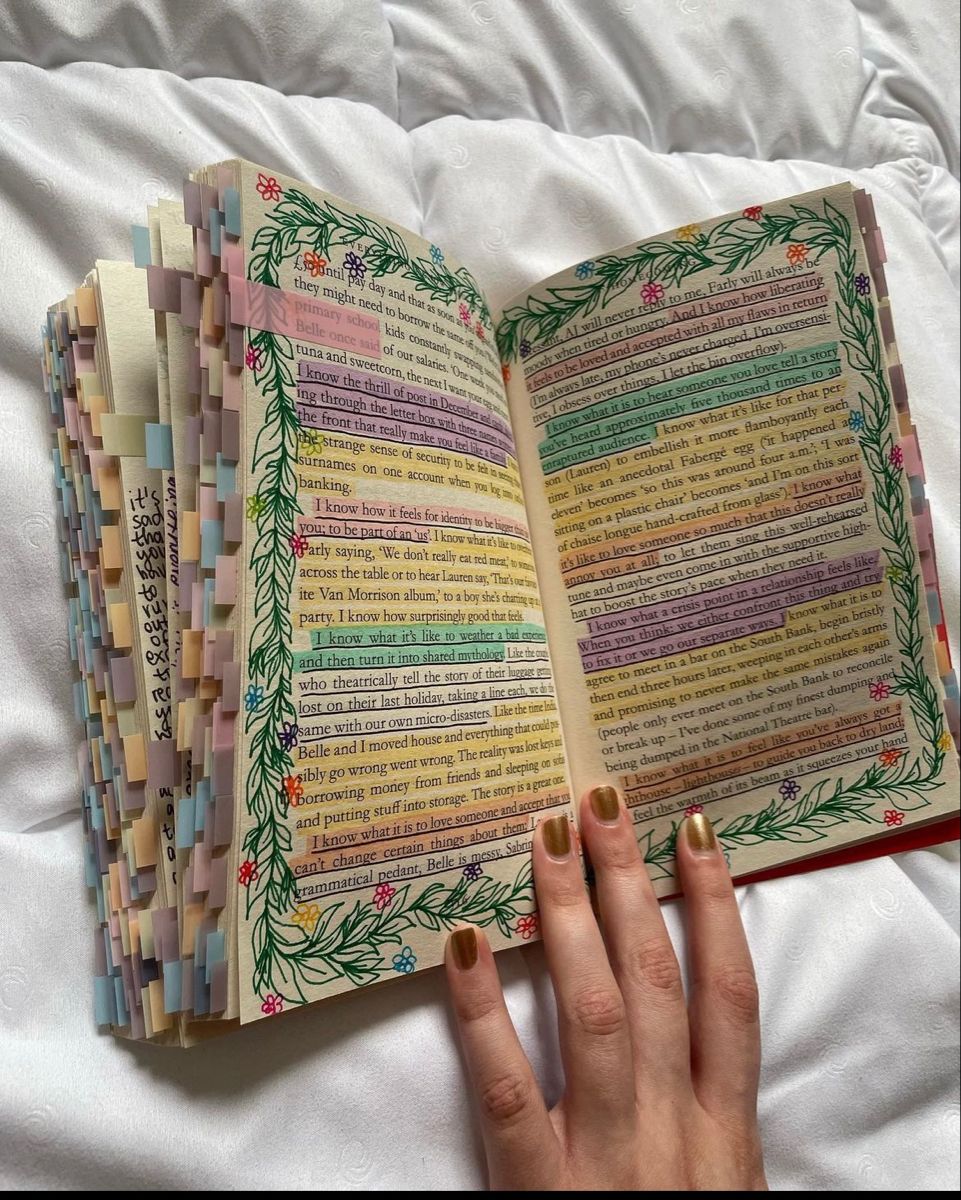
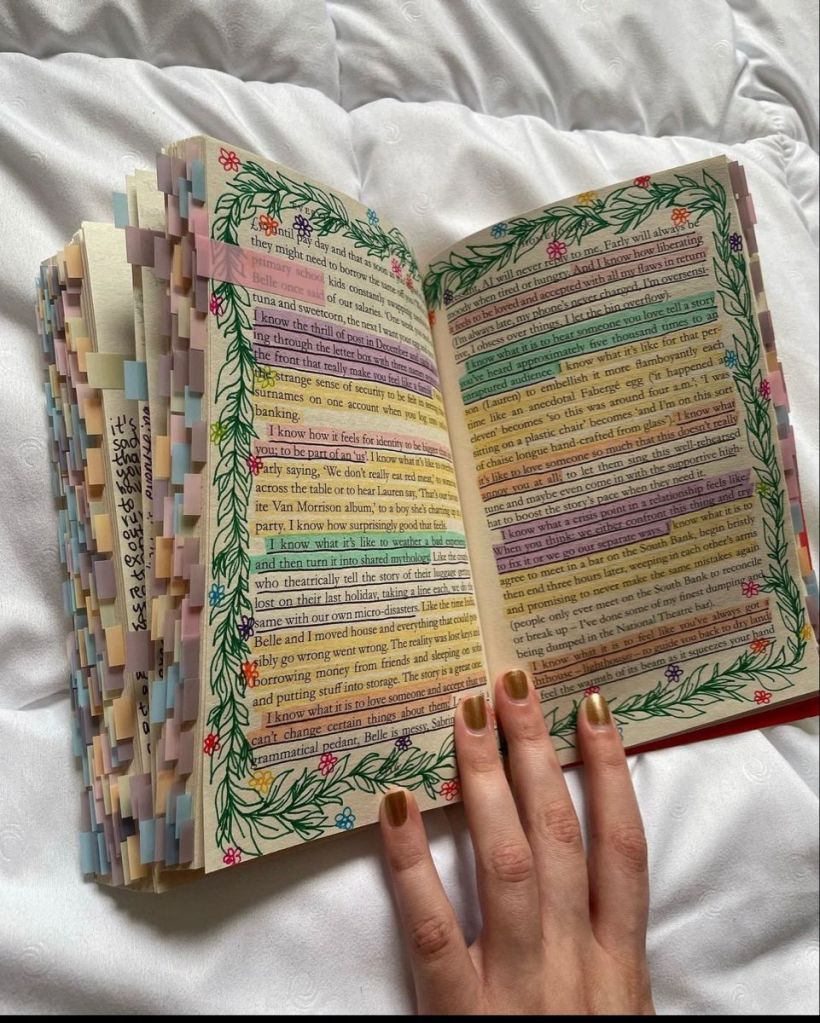
I am not an annotator. Even when I was in school, the most I ever did to a textbook was underline something in pencil–I didn’t even use a highlighter. I didn’t write notes in the margins; I didn’t color code; nothing. I felt like books were too sacred to mark up (although I did write my name in the inner cover, which I immensely regretted once I started donating books).
There’s a trend out there with readers where annotation has become a major part of the reading experience–another way to deeply engage in a text.
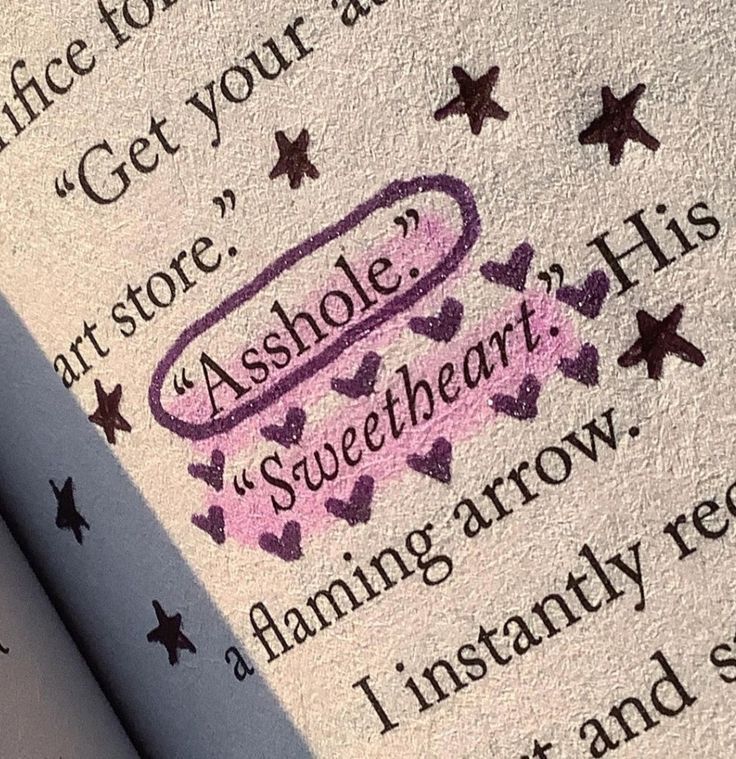
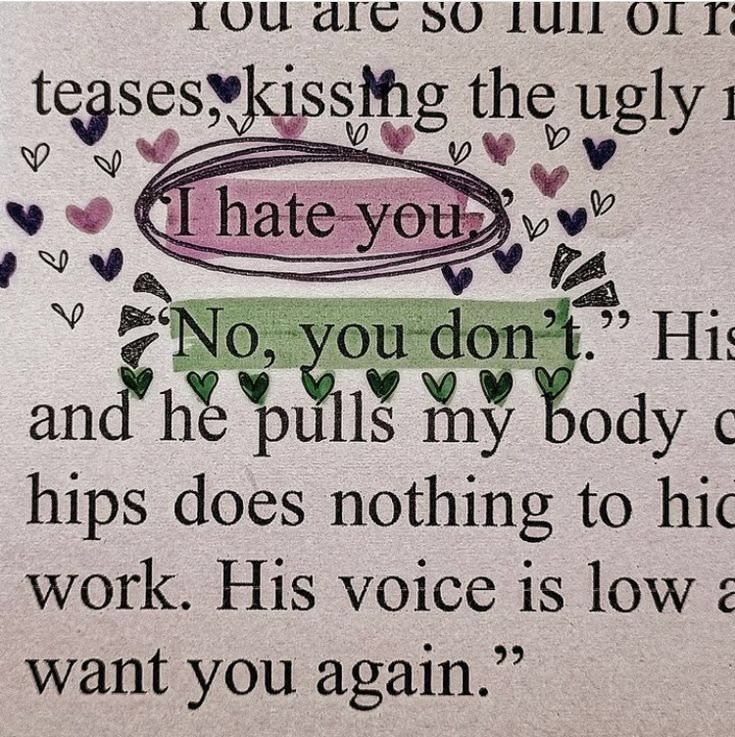
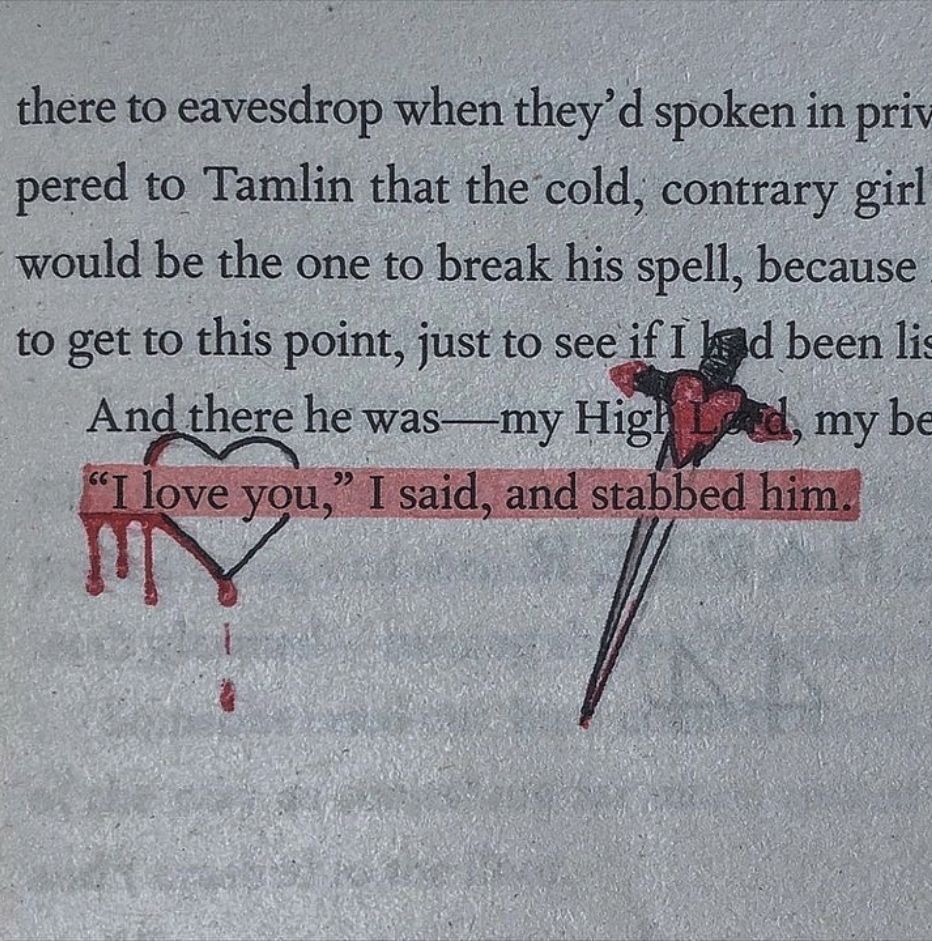
I don’t always get it (see the small annotations above. I found them all on Pinterest and it’s nigh impossible finding the original source for credit). Sometimes I feel like annotations are a waste of space or stating the obvious, or are even defacing the book, and then I see some absolutely beautiful interactions with the text that make me want to reexamine my opinions. After all, don’t we want readers to be engaged with our work?
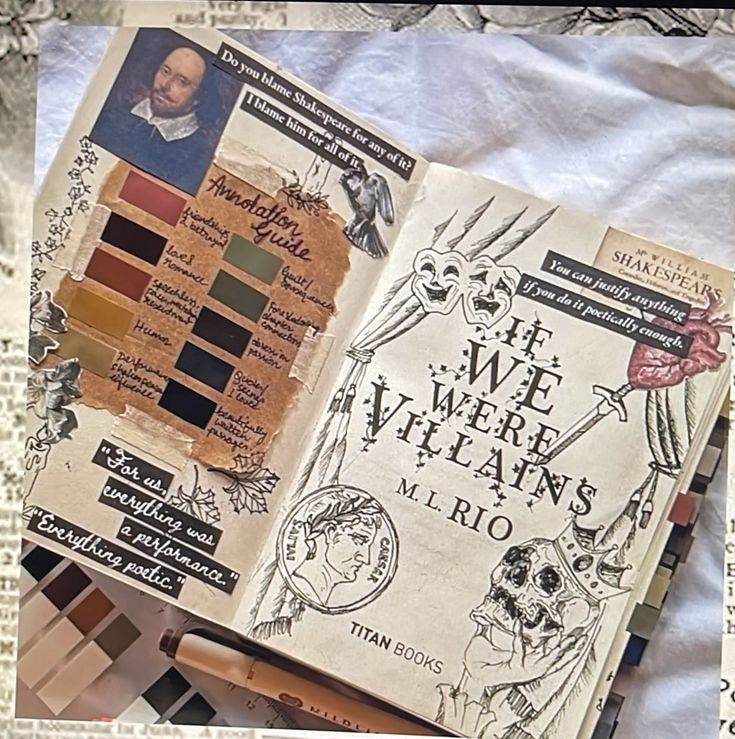
Notice how artistic these are? Color-coded markers and pens. Art doodled in the text or on the title pages. I’m so impressed with these. I want to try doing something like this, and then, I really, really don’t.
The annotation trend is so powerful that I’m starting to see it crop up in special editions and collector’s editions of books. And readers, I’m not a fan. These editions include annotations from the author directly in the text. And all I can think is, what a way to take me out of the story. The author is invading their writing, and the last thing I want to see in a novel is the author. I want their writing to speak for itself. If an author has something interesting to say about what they wrote or the process, that’s what an afterword is for. Or their blog. Or social media.
I’ve gone to Litjoy so many times interested in purchasing their collector/special editions, only to see listed as part of the perks “AUTHOR ANNOTATIONS.” Noooo! (For example, here’s The Darkest Part of the Forest by Holly Black. The second picture is a closeup of an annotation, which says at the end, “I was so glad to have the perfect book to put it in. I love these haunting words so much.”)
I don’t want to see how the magic trick is performed, only the performance!
I am not blaming or slamming authors who provide annotations to readers. Annotation is clearly more than an aesthetic and matters to a lot of readers. Readers who love writers want to get inside their minds sometimes, and annotations are a good way of doing this.
I am also not slamming readers for doing this. You are showing your love and a deep engagement in an author’s work, and that’s the greatest gift you could give an author.
It’s just not my style.
If I ever get famous or important enough to have a special edition, I’m not annotating it. I blog plenty about my process and offer behind-the-scenes glimpses here, if readers want to know. I also share this stuff on social media, too. I’m not silent about how I write books or why I write books…that’s part of the reason my home on the web is here–so I can talk about all that stuff in my blog.
Keeping that in mind, though, I also said I’d never make trope maps or do comp titles, and the industry has forced me to do so. Maybe that will happen with annotations. But for now, I’m going to be a stick in the mud and express my confusion and disdain for it while simultaneously admiring how pretty it can be.


Leave a Reply