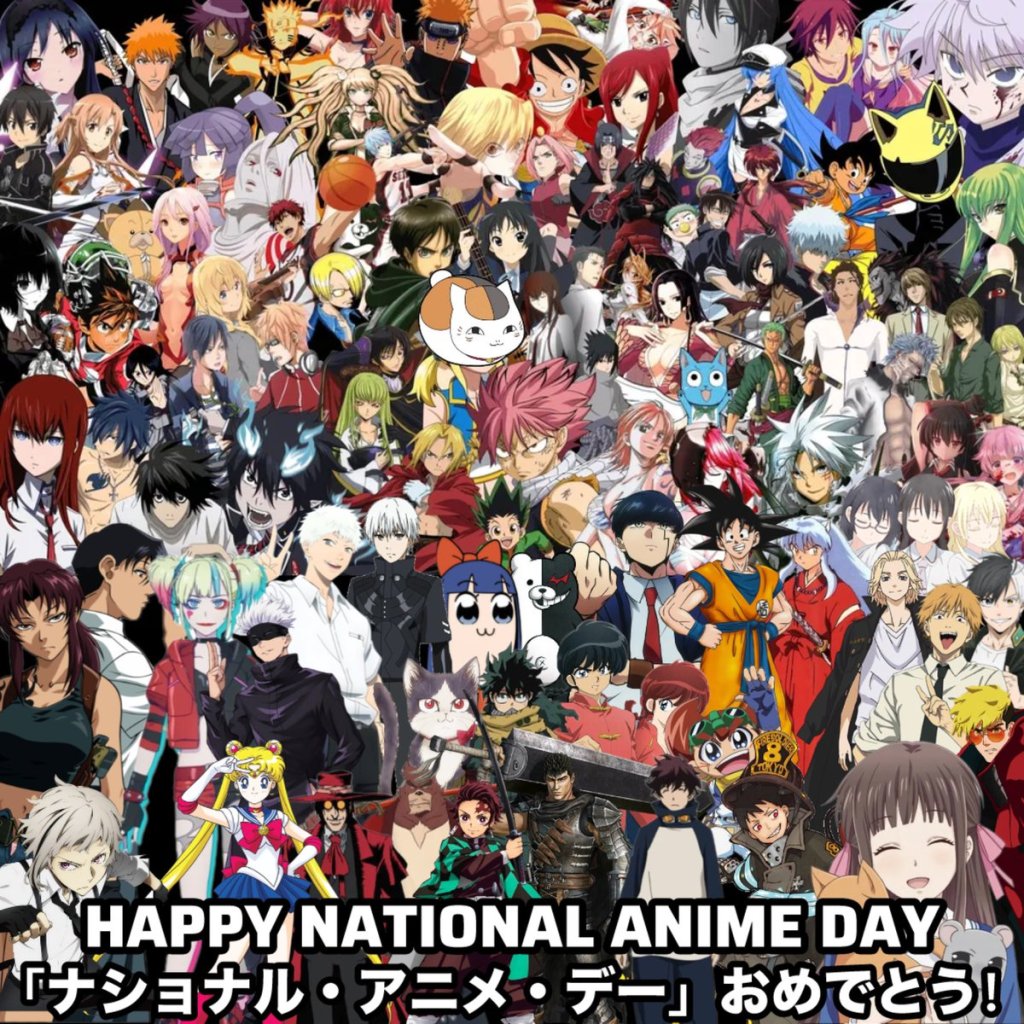
So…I’m one day late on a day that celebrates something extremely important to me: anime. I wanted to write this yesterday but I was just too tired after work to plunk myself on the laptop and write. Forgive me! I’m getting caught up on posts slowly.
I started watching anime before I knew that what I was watching was anime. I remember being five years old watching Unico in the Island of Magic and The Fantastic Adventures of Unico not knowing that the animation came from Japan, let alone was a creation of Osamu Tezuka, the “godfather of manga.” I just thought what I was watching was a cartoon among the hundreds of other cartoons growing up.
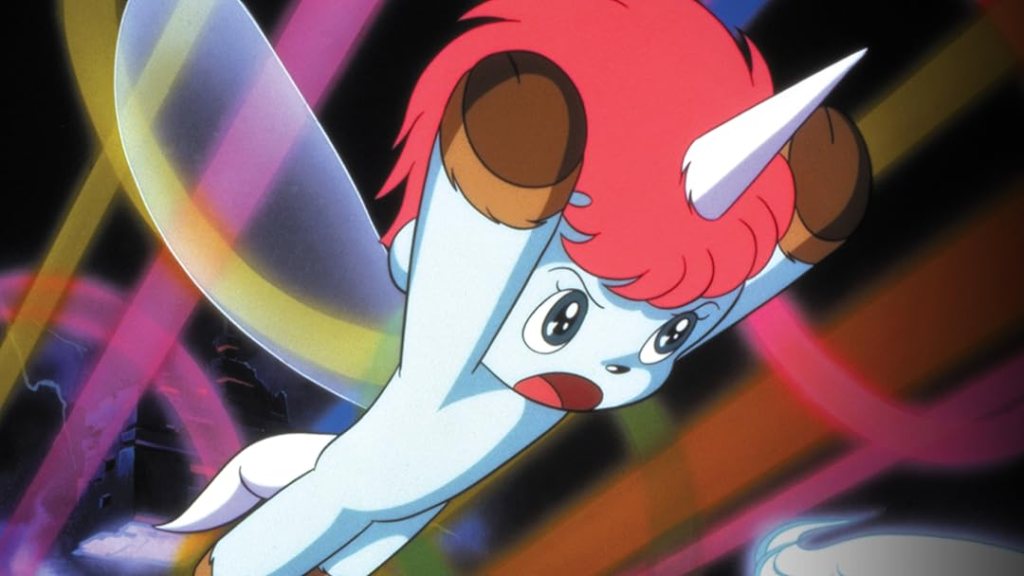
Except there was something special about Unico. The animation style didn’t match a lot of what was on TV at the time, and the story was completely unique, and wasn’t afraid to be dark and scary (especially Unico in the Island of Magic, my favorite film of the two). It provoked a lot of different emotions in me–how could such cute characters make me happy and sad at the same time?
After Unico, I graduated to Sea Prince and the Fire Child, The Little Mermaid, and Nickelodeon’s Grimm Fairy Tale Classics. I was starting to notice an animation pattern with these shows, but at the same time, still didn’t realize it was anime from Japan until I was much older.
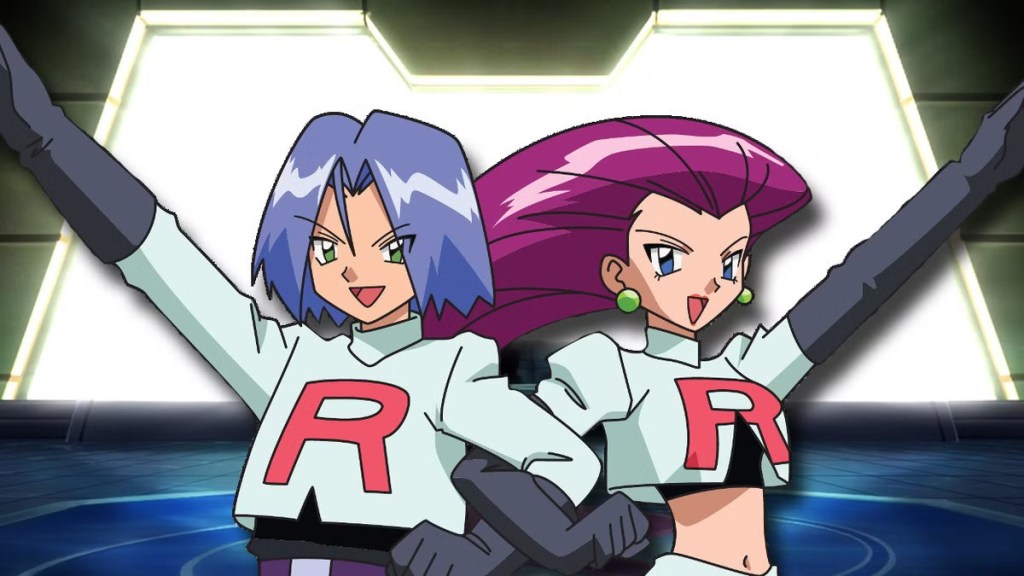
Those were my favorite childhood animations. Then there was a gap in time, and then all of a sudden when I was in high school, Pokémon was a huge thing, and I would watch it during breakfast before school and then immediately after school when we came home, unless I had extracurriculars. I used to have the Team Rocket motto memorized and I would act it out with my friends James from school.
Weirdly enough this was the era of Dragonball Z, Sailor Moon, Gundam Wing, and I never got into these because they were shown later in the night on Toonami. I missed out!
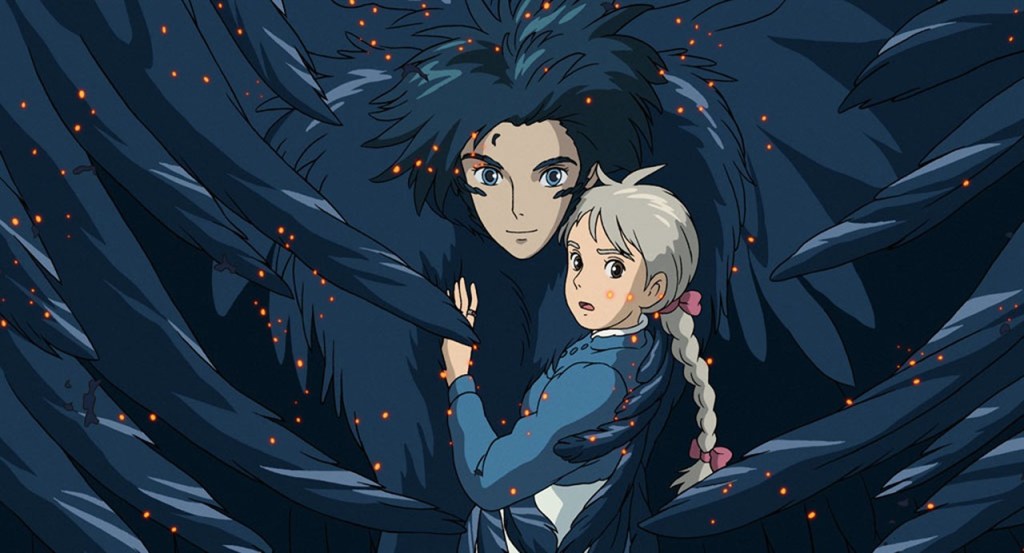
Anyway, there was another gap in my anime life until I got to college, where I watched some Studio Ghibli–Spirited Away–and the most heartbreaking anime I’ve ever seen, Grave of the Fireflies (thanks to a friend who loved anime and watched it with me). After college I watched Howl’s Moving Castle in the movie theater and Princess Mononoke at home, but never was quite able to get my hands on more anime, even though I loved it so much.
Enter graduate school. I subscribed to Crunchyroll after I started attending anime conventions for the first time, and suddenly I had hundreds of series at my fingertips. It all started with Fullmetal Alchemist, which has influenced my book series The Darkening Gate, and then I just watched whatever appealed to me: shows like Darker than Black, From the New World, Ouran High School Host Club, and my favorite all-time anime, Fullmetal Alchemist Brotherhood.
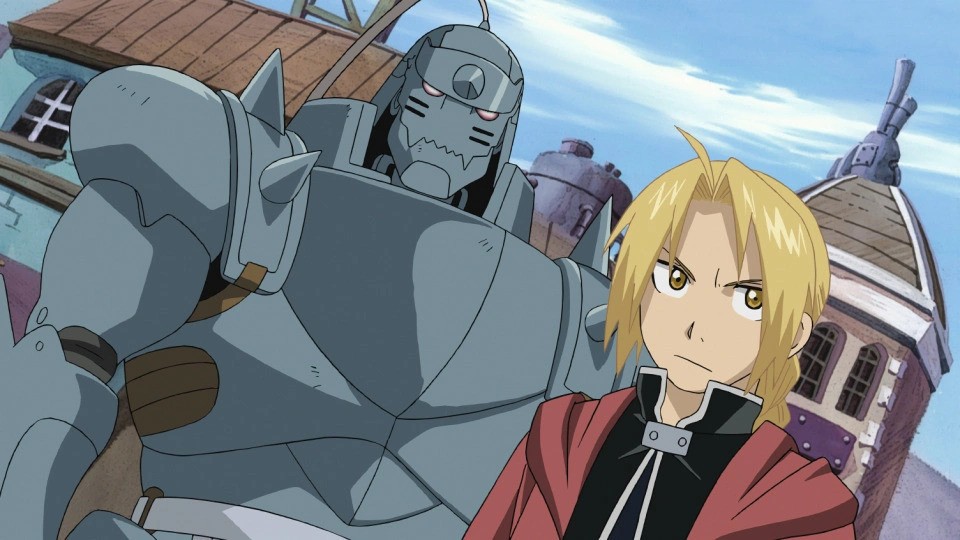
I reckon I’ve watched a hundred shows now, and maybe twenty anime films, and I can’t get enough of it. I’m too poor to have Crunchyroll at the moment, and I’ve missed out on shows I’ve been dying to see, but thank goodness for Netflix and Hulu keeping me in the loop.
So, now you know my history of watching anime. The big question is, why do I love it so much?
The aesthetic
Every anime art style is different, whether it is based off of an existing manga franchise, or is a completely original work. But there are some commonalities among Japanese anime that make it recognizable as its own specific art style: expressive eyes and facial expressions, the depictions of hair, body types per the genre of the anime…but I have to say that overall, I think anime is beautiful. Even the more “masculine” shonen stories. I just love how people are depicted. There are detailed backgrounds and set designs that mimic reality or are unique fantasies; creative weapons and magic systems, and explosive fight scenes that are incredible to watch.
I love pretty much every anime studio’s style, but I think I’m a fan of Kyoto Animation’s work the most. They have a consistent aesthetic where you’re able to tell when you’re watching a KyoAni production. Here’s the trailer for one of my favorite works of theirs, Violet Evergarden:
The character designs have a consistency throughout KyoAni’s different anime, too, from Free! to Tsurune to A Silent Voice. While animation based off of manga followed the manga-ka’s style (like with A Silent Voice), you can still see the studio’s stamp on it.
Storytelling
Japan is a country that focuses more on the whole; it is a society that honors the collective as opposed to the individual. Anime honors stories that are more collective, too.
Many anime feature stories with multiple characters working together towards their goals, with each person playing a part that is so vital to the group, they can’t be replaced. Trouble or tragedy happens when characters decide to “go it alone.” How many anime have I heard where one character tearfully yells at the other character, “Don’t just decide things on your own!” The building of a family (found or otherwise), a solid group of friends, sturdy coworkers, or members of a guild, for example, all commonly feature the idea that a group that functions together, relies on each other, and loves each other, is an ideal. You may bring individual skills or characteristics to the group, but perfection isn’t reached until you’re contributing to something bigger on the whole.
Another thing I noticed about anime is the storytelling method using arcs–these are sometimes self-contained “episodes;” sometimes not, but they demonstrate a shift in setting or plot or characters, even, to make a new, larger chapter in the story.
For example, the anime Jujutsu Kaisen is currently on what’s known as the Culling Arc, a point in the story that serves as characters returning but in a complete battle royale–a departure from the previous season, which was the Shibuya Arc, where Geto and his minions take over Shibuya on Halloween, but major characters die or are captured in the process, along with the incredible destruction of Shibuya itself when Sukuna makes an appearance. (I don’t have Crunchyroll so I haven’t seen the Culling Arc yet, but the Shibuya Arc beforehand devastated me).
In my own writing, thinking of story sections in terms of arcs has helped me out in terms of thinking about how scenes should work together to serve a bigger chunk of the story.
Emotions
Anime makes me cry, sometimes to the point of sobbing. It can make me laugh hysterically, or have empathy for the characters and their situation. Not only is anime good at producing a variety of feelings in its audience, but it also isn’t afraid to depict characters going through the entire spectrum of emotions. Crying is not something that is depicted as a weakness, but a natural reaction to circumstances, or to depict frustration, anger, hopelessness, and yes, sadness, among other feelings. Rage, madness, embarrassment, hope, optimism, etc.–you’ll see it all. And while romance isn’t technically an emotion, I like how a lot of romance is depicted in anime, too.
So, there you have it. I watch anime to look at beautiful things, to feel like a part of a team, and to feel ALL OF THE EMOTIONS!
While I’m bummed I missed National Anime Day on its actual day, I’m still happy I got to talk about my experiences with it, and why I like it so much. It’s probably the number one type of media I consume, in addition to manga. I’m so glad Japan is sharing its wonderful art and stories with the world.


Leave a Reply