

They say there is nothing new under the sun. There are no new ideas; the only thing that may be unique is how the author renders those ideas. Authors influence other authors; stories influence readers; etc. While I think my trilogy The Name and the Key is unique, there’s no denying other authors and other works were on my mind as I wrote. Let’s take a look.
Hiromu Arakawa
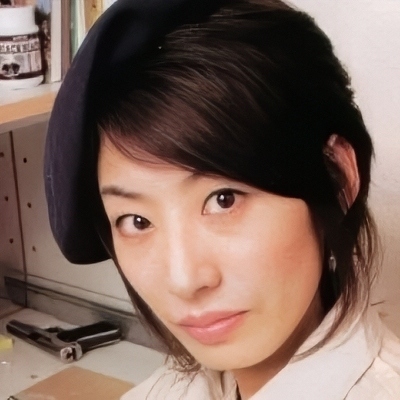
Arakawa’s incomparable and memorable manga series, Fullmetal Alchemist, and even more so, both of the anime that adapted it, greatly influenced my interest in alchemy. The symbolism of this arcane pre-science shows up all over the series, including esoteric art backgrounds, character design, and more.
The Name and the Key‘s magic system–at least, the one Andresh uses–is based off of spiritual alchemy, where the refining process concerns the human body and soul as opposed to objects and chemicals meant to create the Philosopher’s stone.
Andresh shares the zeal for ending death and bringing people back with brothers Edward and Alphonse Elric, who made grave sacrifices to try to bring their mother back from the dead through alchemy. And just as with the Elric brothers, great damage is done when Andresh uses alchemy, too.
Holly Black
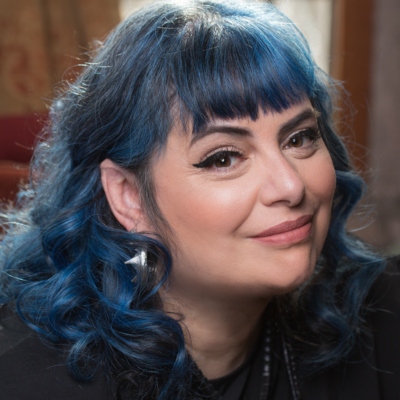
I admire and enjoy reading Holly Black’s prose, but what I’m really interested in is how Black creates intrigue and set up twists or betrayals. I’m thinking of all the books in her Folk of the Air series plus The Book of Night (the sequel The Thief of Night is on my wishlist). She’s great at the bait-and-switch. I think that I know where something is going, and then poof! (especially at the end), there’s something that knocks your socks off.
I have a great betrayal toward the end of book one of my trilogy, The Name and the Key, and I couldn’t help but think of Black’s writing as I tried to work out this twist. I hope readers don’t see it coming. I think in their gut, and with my writing, they should not trust a certain character, but I don’t want them to know in advance what the character is willing to do.
N.K. Jemisin
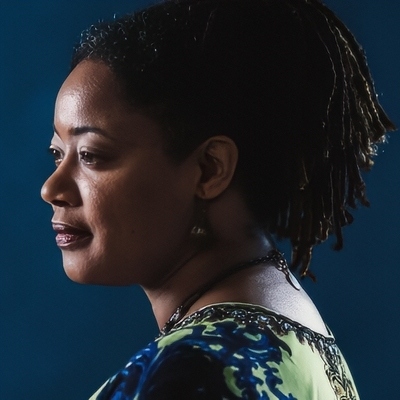
Jemisin is so good that it kind of scares me. I have purchased nearly every fantasy she has written, but I actually haven’t read them all because I’m afraid of being overwhelmed emotionally (and with the tension in her work, too). I hope you don’t interpret this as a bad thing. I’m just in awe, and that awe overpowers me sometimes.
In graduate school we studied Jemisin in the epic fantasy course and read The Hundred Thousand Kingdoms. This is the first book in the Inheritance Trilogy. It blew me away, the characters especially. I loved the concept that the gods were enslaved, and the gods that won my heart the most are Nahadoth and Sieh. But Nahadoth especially stuck with me. What a destructive, enigmatic, sexy character!
When I was coming up with the demons for The Name and the Key, I couldn’t shake the influence of Nahadoth as I was coming up with dark, seductive creatures. Nahadoth has particularly inspired the demon B, who Andresh names “Isabelle.”
Ursula K. Le Guin
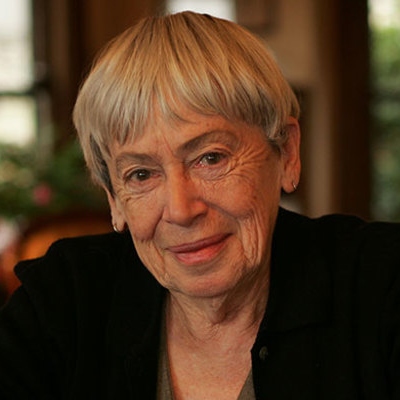
I read A Wizard of Earthsea and its subsequent books when I lived in Wales. I was visiting the Owl Bookshop in Carmarthen (if my memory serves me right…this was twenty-one years ago 💀) and picked up the first book at random, intrigued by the cover.
I loved how proud Ged was when it came to his magical ability, and how that completely blew up in his face to the point he was stalked by a dark creature. I especially love Le Guin’s interpretation of the magic of True Names. I’ve never forgotten it, and have my own take on that kind of magic in The Name and the Key.
In a climactic scene in the book, if you pay close attention, you’ll learn several True Names–and the power that someone can possess when they speak it.
Margaret Rogerson

One of my top YA fantasies of all time is Rogerson’s Sorcery of Thorns. Although the book focuses on libraries and the magic of books (and the monsters that can come from them), demons play a HUGE part in the novel. Sorcerers can have a demon familiar: Nathaniel Thorn has Silas; Oberon Ashcroft has Lorelei.
What makes Rogerson’s demon pacts so creative is that when a demon and a sorcerer work together, the sorcerer takes on a physical trait of that demon. Silas’s demon form consists of all white hair and pale white skin (he also transforms into a solid-white cat). Because Silas and Nathaniel are working together, Nathaniel has a streak of white hair on his head to show that they are bound.
Oberon’s demon Lorelei is kind of like a siren in that she sings beautifully, and can hypnotize people until they are vulnerable to death. She has red eyes, and because she’s in a pact with Oberon, Oberon has one “normal” eye and one red one.
While my demons do not have pacts in the same way Rogerson does, her work still influences mine in terms of the names I come up with, how the demons speak, and what a sorcerer must sacrifice in order to work with them.
I won’t call my trilogy a homage to these authors, exactly, but I find them all incredibly inspiring and they’ve touched my writing deeply. I hope that my work stands on its own as its own creation, but at the same time, people can recognize the little sparks of inspiration that popped up in my writing. I’d love it if my books did justice to the creative works of these writers.
 Kristina Elyse Butke
Leave a comment