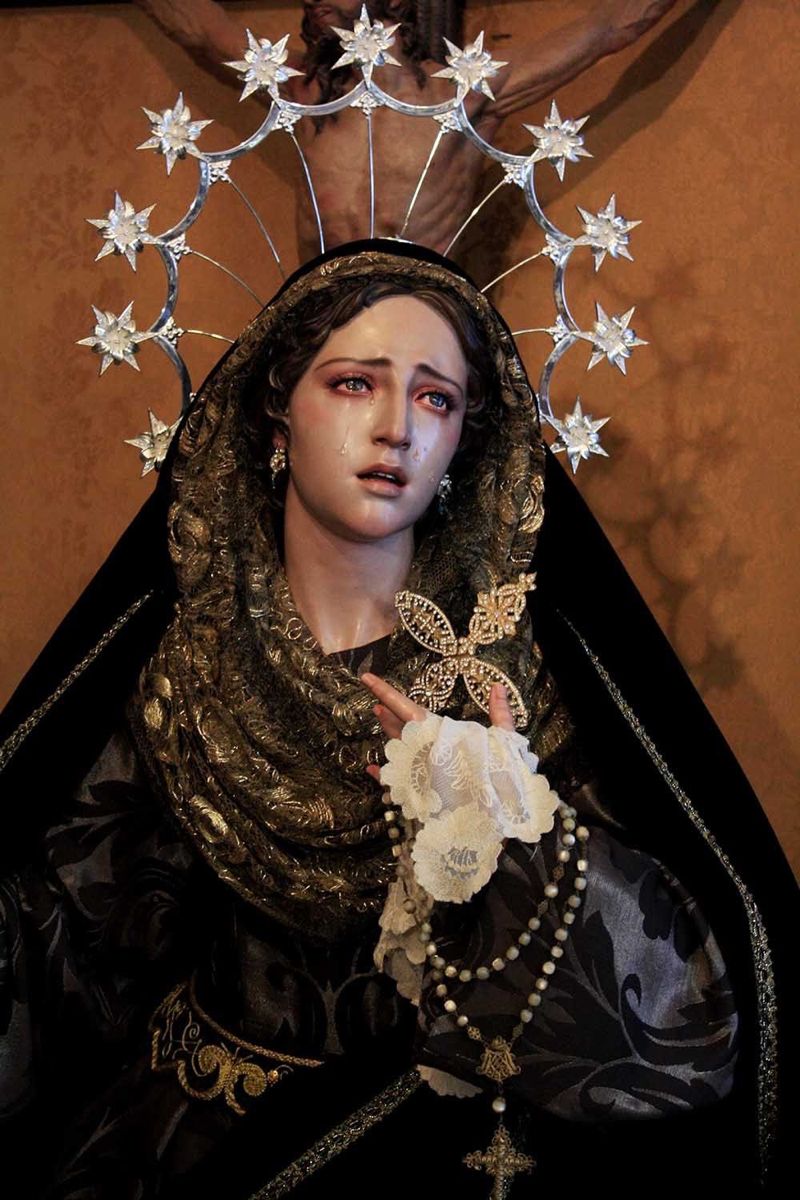
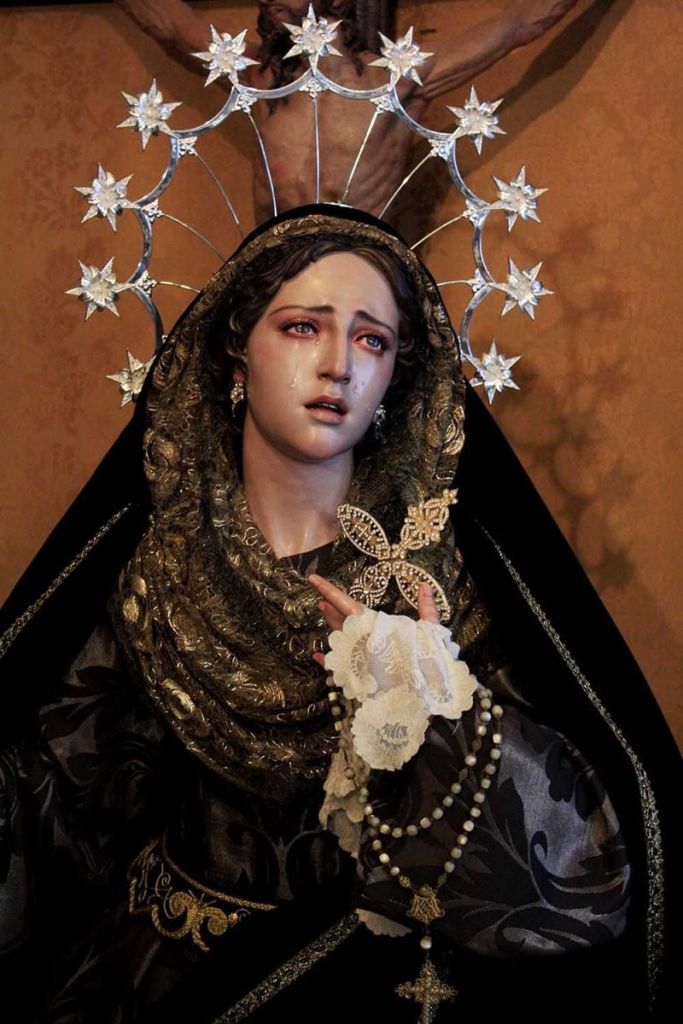
In 2018, The Metropolitan Museum of Art’s costume institute held an exhibition called “Heavenly Bodies: Fashion and the Catholic Imagination.” It was also the theme of that year’s Met Gala, where celebrities and models and all-around beautiful people wore haute couture that fit the theme of the exhibit.
Here’s a five-minute look at the exhibition:
And here’s a Vanity Fair article from the time showing “The Most Literally Catholic Looks at the 2018 Met Gala (click the picture for the best of the best):

Chadwick Boseman (I still miss him, RIP) and Zendaya probably had the top two fashions of the night, although there were many beautiful gowns and suits on display, as you can see in the article.
There is something haunting, beautiful, and sometimes morbid about the Catholic aesthetic. I was baptized in the Catholic church but when my parents split, I ended up taking after my mother’s faith (Lutheran). However, I would sometimes go to Catholic church services sporadically over the years, and I’ve visited cathedrals in Europe and been to museums like The Cloisters, because I just love how Catholicism looks.
I am in love with a lot of the statues of saints and Madonnas, particulalry statues of Mary weeping:
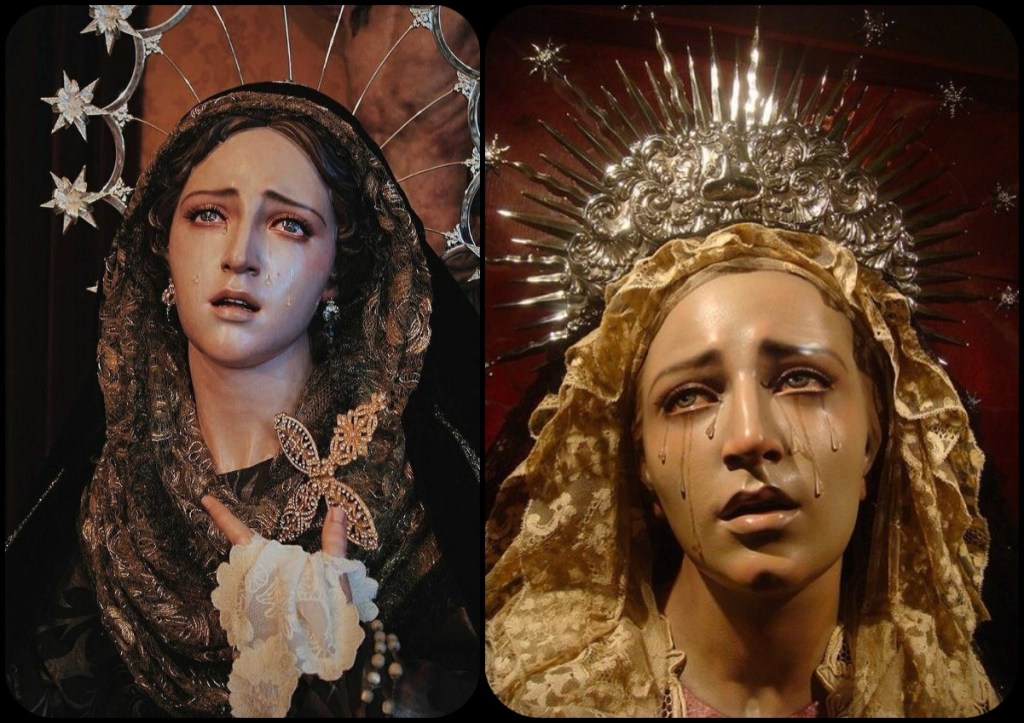
They are incredible. Such raw emotion captured in a single sculpture. And then, there’s this incredible extravagance there too, that doesn’t really fit the Mary of the Bible, but Mary as she is venerated–she’s like a Queen or Empress with her jeweled crown, elaborate lace, and jeweled accessories.
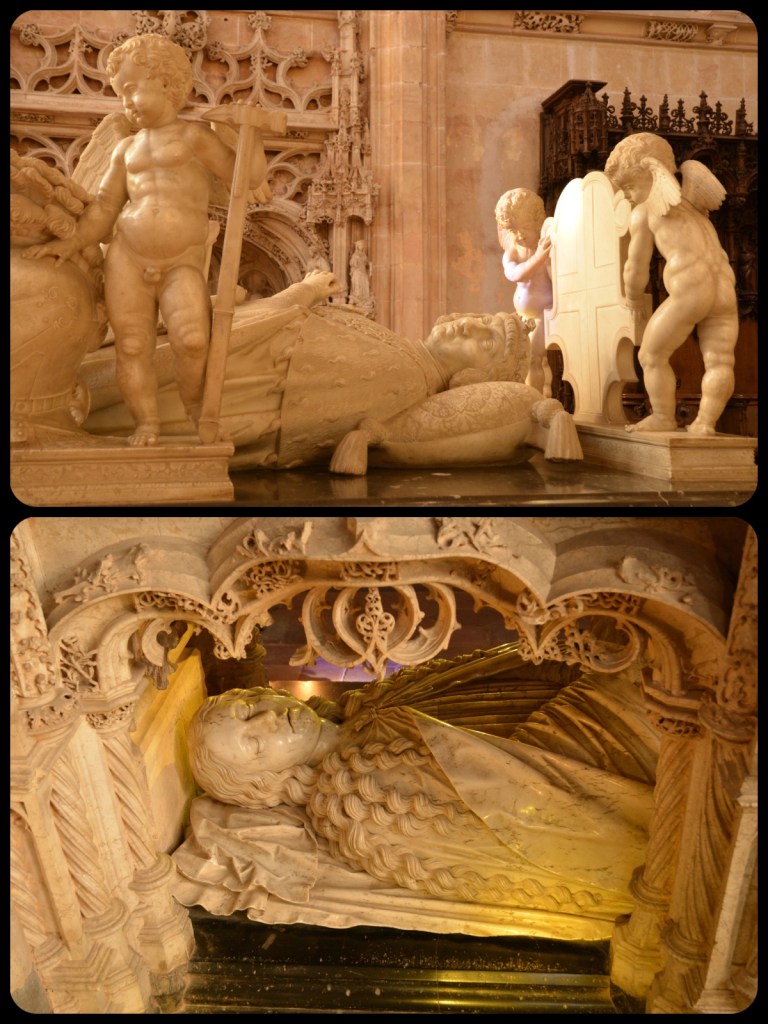
I’m also fascinated by crypts where the tomb has an effigy of the deceased depicted.
Lastly, I enjoy looking at the dead saints and martyrs who were preserved as skeletons and mummies and outfitted in the absolute most rich and outlandish costumes. Click the pic to see the Smithsonian article about this:
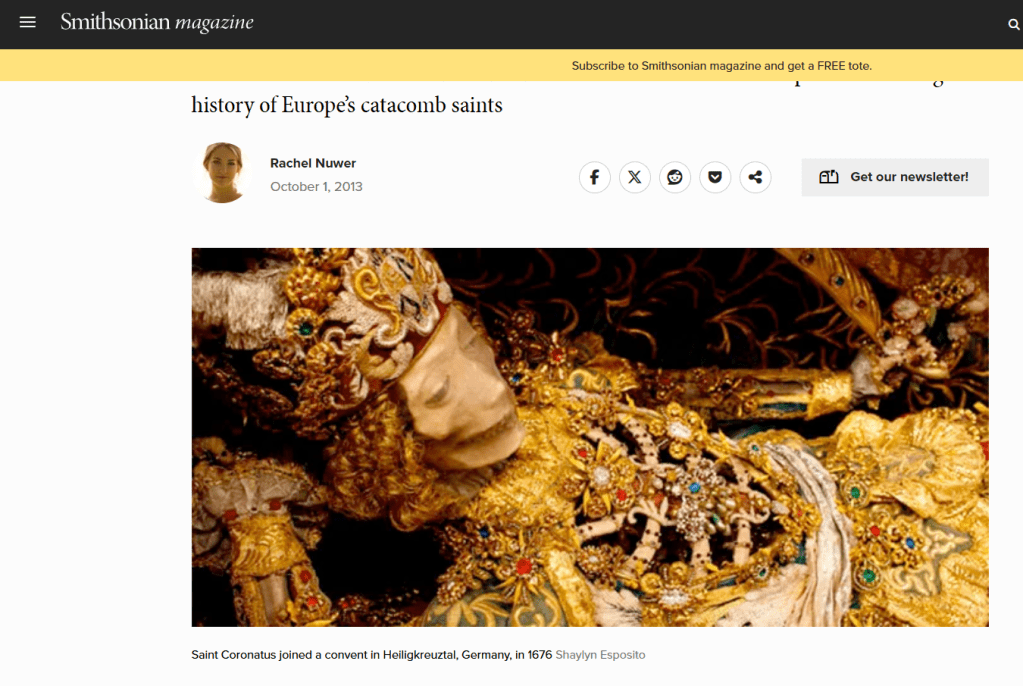
I think all of it is beautiful and to a certain degree, over-the-top in riches and ornamentation. But I love how it looks and it does seem to touch my heart in a way when I view the fashion and artistry of “the Catholic imagination.”
As I’ve written before, I’m working on a trilogy for Oliver Heber Books that will come out in 2026 and 2027, titled The Name and the Key. While demons and grimoires are a focus of the book, and even though it takes place in an period that resembles the Regency, this medieval/Renaissance/Catholic aesthetic appears in the book from time to time, as ruins or relics of another era.
While a god or gods or God is not the focus of the trilogy, there’s evidence of religion in the worldbuilding of The Name and the Key. I wanted a counterpoint to the demons in the book, and those would be saints. But the angels and saints and Higher Beings don’t directly interact with anyone. To be honest, the characters in the book don’t believe demons interact with anyone either, but surprise, surprise!
Anyway, in addition to making up the names of demons and putting them into a grimoire I created called The Book of Simoneth, I’ve had a fun time creating saints’ names for places in the books, like St. Oliman’s Church in Mariner along with Rinnea Abbey, or The Church of Saint Briscol in Rookwood. As I’m still writing the books, I don’t know if I will have more background to those locations or not, with the exception of Rinnea Abbey, which has a little bit of a story. Check out this excerpt from book one, The Name and the Key:
He gave me a small smile. “Thank you.” He didn’t offer his arm to me again, but he stayed by my side as we kept walking along the street. After some moments, he asked, “Where are we headed to?”
“Rinnea Abbey.”
“The ruins? Wouldn’t that be a popular spot?”
“Suprisingly, no. It’s been picked apart. Some of the walls still stand, but it’s mostly grass and rubble. The stained glass and anything that used to have gold in it is gone. And a few years ago, robbers chipped away the saint’s face from her statue, too, so you can’t see her beauty anymore. Well, that’s not true—the statue is still beautiful. It makes you imagine what Our Lady would have looked like centuries ago.”
“There aren’t a lot of Our Ladys left in the world,” Andresh remarked. “There’s Our Lady of Willows, Our Lady of Nightshade, Our Lady of Feldspar, Our Lady of Eternal Rest—she’s really popular in Sindalia, and she has a huge cathedral in Evandra. Which one is this one?”
“Saint Rinnea, Our Lady of Knives,” I said. “I always liked her story. Patron saint of righteous anger.”
I have a story about Our Lady of Knives but I don’t know if it will ever be elaborated upon in the book. Just know that her statue is of a beautiful woman with dozens of knives stuck in her body, and her own blood-stained daggers in her hands. Her style would be very Catholic indeed, despite being very violent, as that is the aesthetic I like when it comes to this sort of thing.
It’s been great fun playing around with demons as well as saints, underworlds as well as churches. As I’m still drafting the books, I’m not sure if we’ll get more of this than I planned, but who knows–writing fiction is full of surprises.
 Kristina Elyse Butke
Leave a comment